.png)
.png)
.png)
.png)
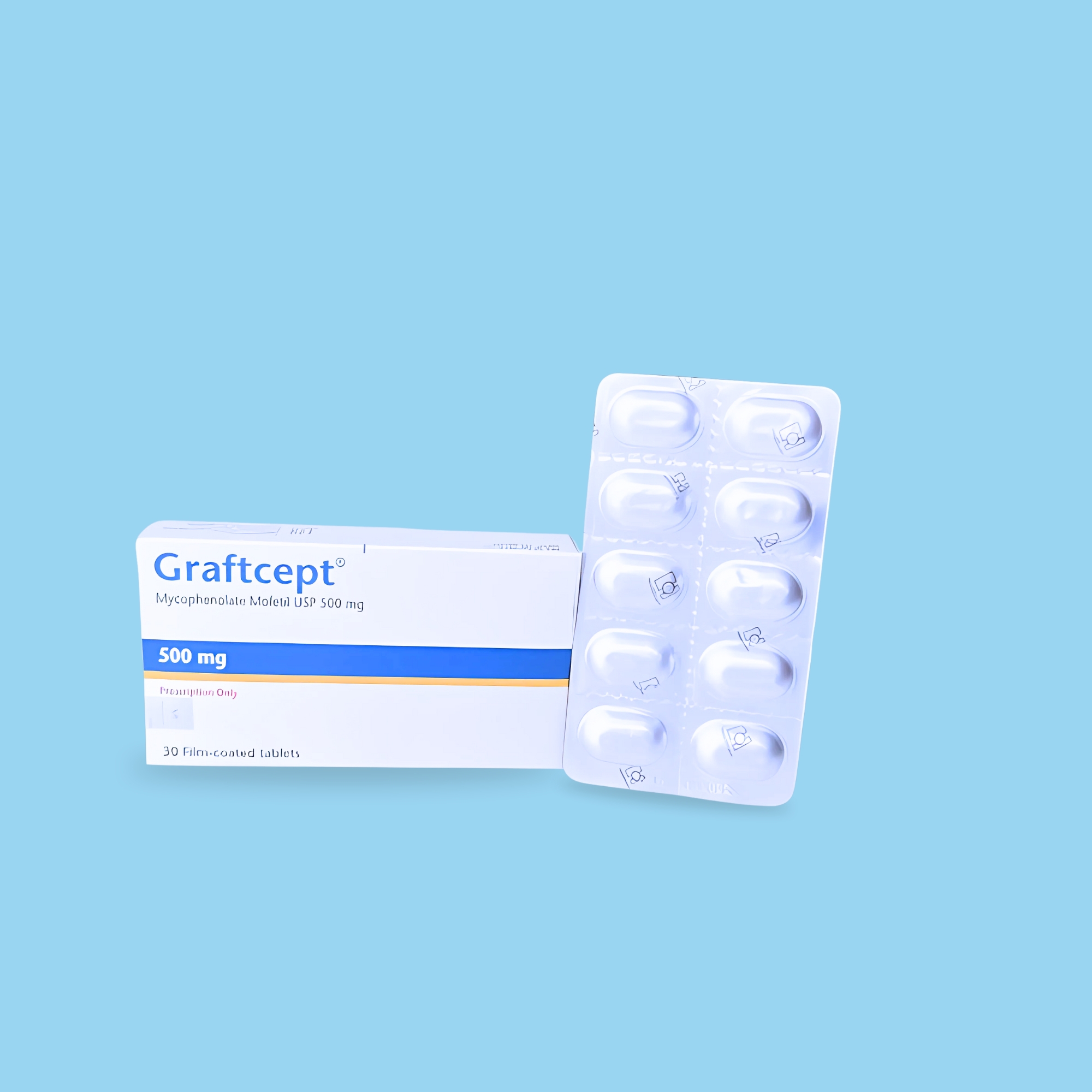
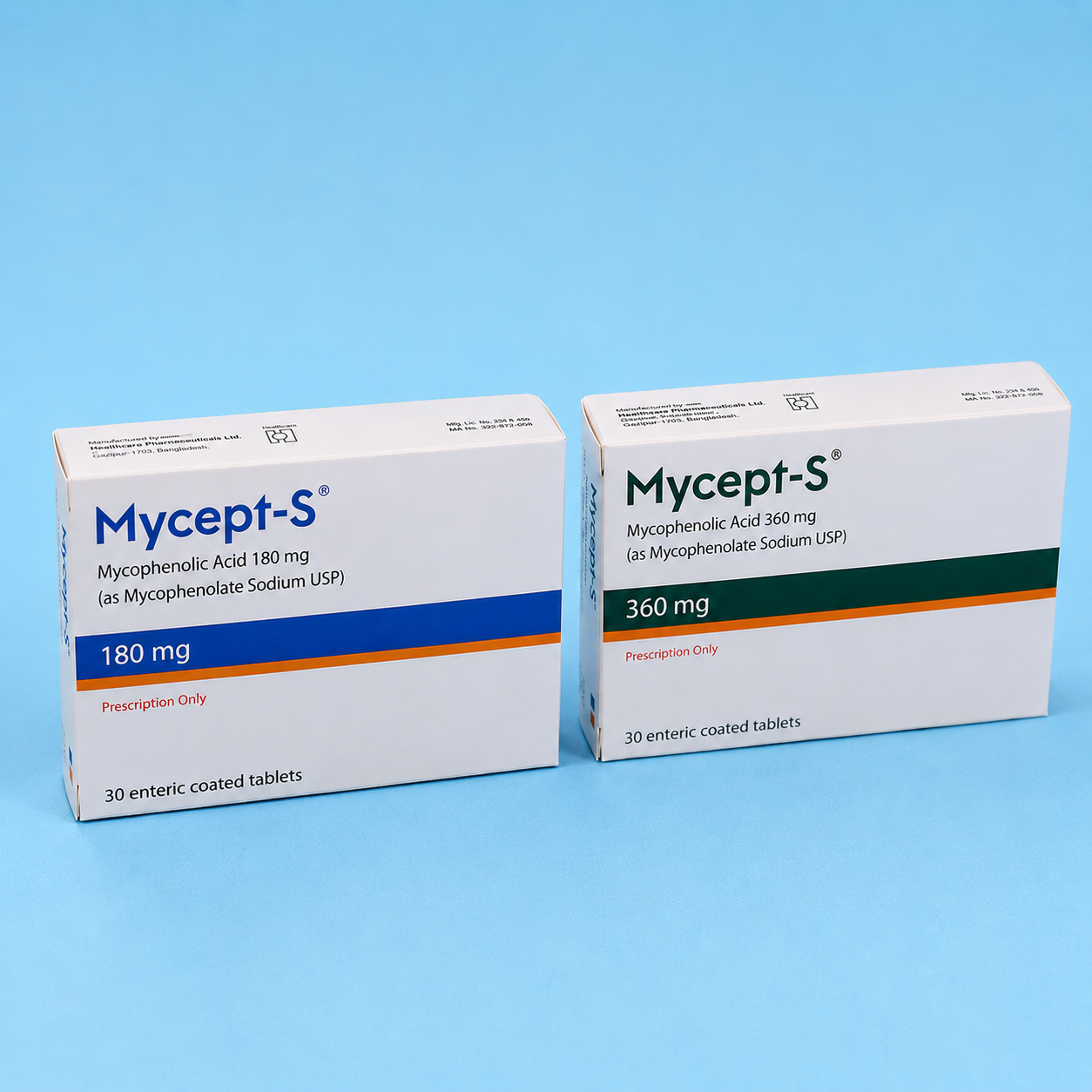
Mycophenolic Acid (MPA) is an uncompetitive and reversible inhibitor of inosine monophosphate dehydrogenase (IMPDH), and therefore inhibits the de novo pathway of guanosine nucleotide synthesis without incorporation to DNA.MPA depletes guanosine nucleotides preferentially in T and B lymphocytes and inhibits their proliferation, thereby suppressing cell-mediated immune responses and antibody formation. Thus it acts as an immunosuppressant and prevents organ rejection.

MPA is indicated for the prophylaxis of organ rejection in adult patients receiving a kidney transplant. It is indicated for the prophylaxis of organ rejection in pediatric patients 5 years of age and older who are at least 6 months post kidney transplants. It is to be used in combination with cyclosporine and corticosteroids. Also used in adult patients with ISN/RPS Class III, IV or V lupus nephritis and Crohn’s disease.

Dosage in Adult Kidney Transplant Patients: The recommended dose of MPA is 720 mg administered twice daily (1440 mg total daily dose) taken on an empty stomach, 1 hour before or 2 hours after food intake. Preferably at about the same time everyday. Dosage in Pediatric Kidney Transplant Patients: The recommended dose of MPA in conversion (at least 6 months post-transplant) pediatric patients age 5 years and older is 400 mg/m² body surface area (BSA) administered twice daily (up to a maximum dose of 720 mg administered twice daily).

Hypersensitivity to mycophenolate, mycophenolic acid, any other medications, or any of the ingredients in the mycophenolate or mycophenolic acid product.

• New or Reactivated Viral Infections: Consider reducing immunosuppression.
• Blood Dyscrasias including Pure Red Cell Aplasia (PRCA): Monitor for neutropenia or anemia; consider treatment interruption or dose reduction.
• Serious GI Tract Complications (gastrointestinal bleeding, perforations and ulcers): Administer with caution to patients with active digestive system disease.
• Immunizations: Avoid live vaccines.
• Patients with Hereditary Deficiency of Hypoxanthine-guanine Phosphoribosyl-transferase (HGPRT): May cause exacerbation of disease symptoms; avoid use.

Most common adverse reactions (≥20%): anemia, leukopenia, constipation, nausea, diarrhea, vomiting, dyspepsia, urinary tract infection, CMV infection, insomnia, and postoperative pain.

• Antacids with Magnesium and Aluminum Hydroxides: Decreases concentrations of MPA; concomitant use is not recommended.
• Azathioprine: Competition for purine metabolism; concomitant administration is not recommended.
• Cholestyramine, Bile Acid Sequestrates, Oral Activated Charcoal, and Other Drugs that Interfere with Enterohepatic Recirculation: May decrease MPA concentrations; concomitant use is not recommended.
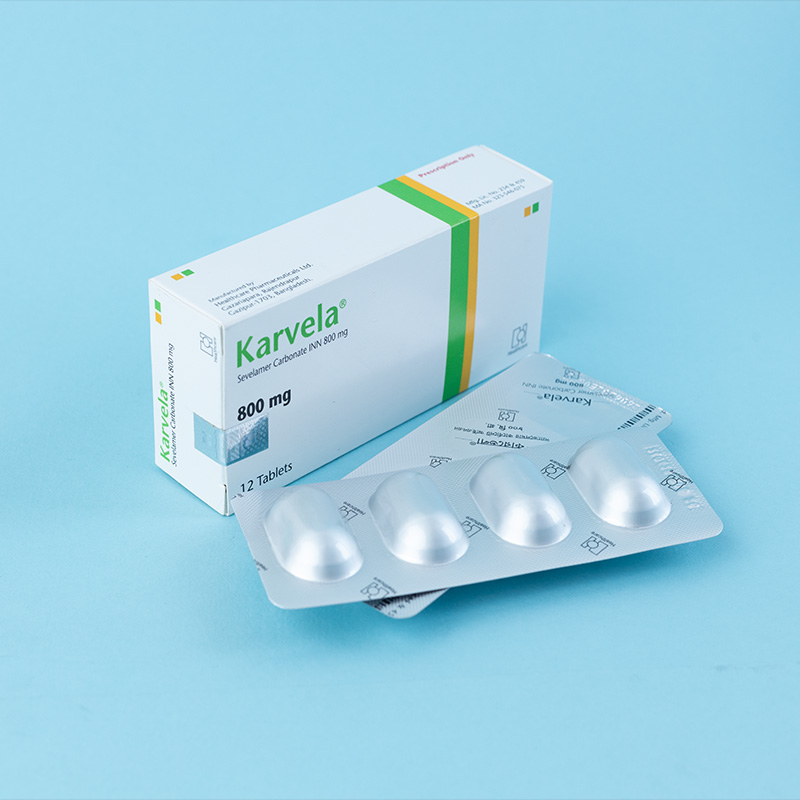
• Sevelamer: May decrease MPA concentrations; concomitant use is not recommended.
• Cyclosporine: May decrease MPA concentrations; exercise caution when switching from cyclosporine to other drugs or from other drugs to cyclosporine.
• Norfloxacin and Metronidazole: May decrease MPA concentrations; concomitant use with both drugs is not recommended.
• Rifampin: May decrease MPA concentrations; concomitant use is not recommended unless the benefit outweighs the risk.
• Hormonal Contraceptives: May reduce the effectiveness of oral contraceptives. Additional barrier contraceptive methods must be used.
• Acyclovir, Valacyclovir, Ganciclovir, Valganciclovir, and Other Drugs that Undergo Renal Tubular Secretion: May increase concentrations of mycophenolic acid glucuronide (MPAG) and co-administered drug; monitor blood cell counts.

• Pregnancy: Can cause fetal harm.
• Nursing Mothers: Discontinue drug or discontinue nursing while on treatment or within 6 weeks after stopping therapy, taking into consideration the importance of the drug to the mother.
• Females of reproductive potential must be counseled regarding pregnancy prevention and planning.
• Pediatric Use: The safety and effectiveness of Mycophenolic Acid (MPA) have been established in pediatric kidney transplant patients 5 to 16 years of age who were initiated on Mycophenolate Sodium at least 6 months post-transplant.
• Geriatric Use: Dose selection for an elderly patient should be cautious, reflecting the greater frequency of decreased hepatic, renal, or cardiac function, and of concomitant disease or other drug therapy.

There have been anecdotal reports of deliberate or accidental overdoses with MPA, whereas not all patients experienced related adverse events. Accordingly an overdose of the drug could possibly result in over-suppression of the immune system and may increase the susceptibility to infection including opportunistic infections, fatal infections and sepsis. Possible signs and symptoms of acute overdose could include the following: hematological abnormalities such as leukopenia and neutropenia, and gastrointestinal symptoms such as abdominal pain, diarrhea, nausea and vomiting, and dyspepsia.

Store at temperature not exceeding 30°C in a dry place. Protect from light & moisture.